Doctoral program in Psychotherapy
Program Description
The Doctoral Program in Psychotherapy is a program developed jointly by the School of Psychology and the Department of Psychiatry of the Pontificia Universidad Católica de Chile and the Department of Psychology and the Departments of Psychiatry and Mental Health the Universidad de Chile. It is built on the interdisciplinary research work conducted by an international network of psychotherapy researchers, bringing together specialists in psychotherapeutic research, psychology, psychiatry, psychosomatic medicine, and neuroscience.
Years of Accreditation
- Seven years up to 9 November 2030.
Program Objectives
The general objective of the program is to provide its students with a postgraduate education of excellence that will prepare them for high-level academic practice with a specialized focus on research in psychotherapy and mental health.
Learning Outcomes
Graduates of this program are expected to contribute to the body of knowledge in Mental Health and Psychotherapy and the training of academics and professionals. They are also likely to promote the advancement of this subject area, both in research and in the clinical field, to contribute to human development and well-being in general and the study and solution of specific problems in particular.
Research Areas
Ver más keyboard_arrow_down|
Etiological mechanisms of mental disorders |
|
Development trajectories |
|
Change mechanisms and processes in psychotherapy |
|
Prevention and intervention in mental health |
Application Requirements
Ver más keyboard_arrow_down
|
Graduation Requirements
Ver más keyboard_arrow_down
In addition to the academic requirements mentioned above, at the time of opting for the degree of Doctor of Psychotherapy, the student may not be registered as a debtor of any kind with the university, he must have formally delivered the corresponding copies of the final document of the doctoral thesis, including the modifications requested by the doctoral thesis committee and having deposited it in the UC Repository in accordance with the instructions established by the UC Library System (SIBUC). |
Head of the program
Ver más keyboard_arrow_down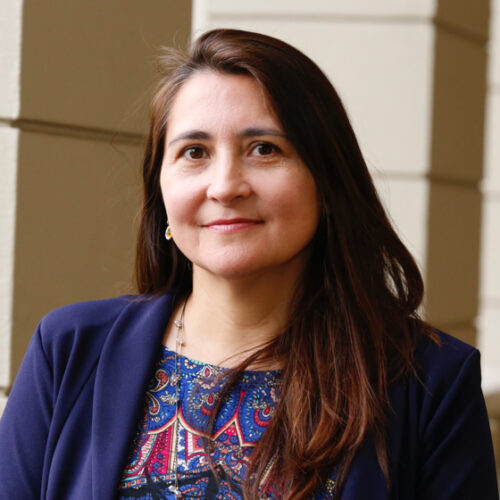
María Pía Santelices
Psychology from Universidad de Chile, PhD in clinical psychology and psychopathy from the Université Lumière-Lyon 2, France. Her research areas are attachment during pregnancy, early mother-baby bonding, parenting, child development, the impact of family and non-family caregivers, early childhood, mentalization, and sensitivity. In mid-August 2019, she took on the role of Executive Director of the new CUIDA Center, created to conduct research on Abuse and Early Adversity.
Contact Form
Unidades académicas
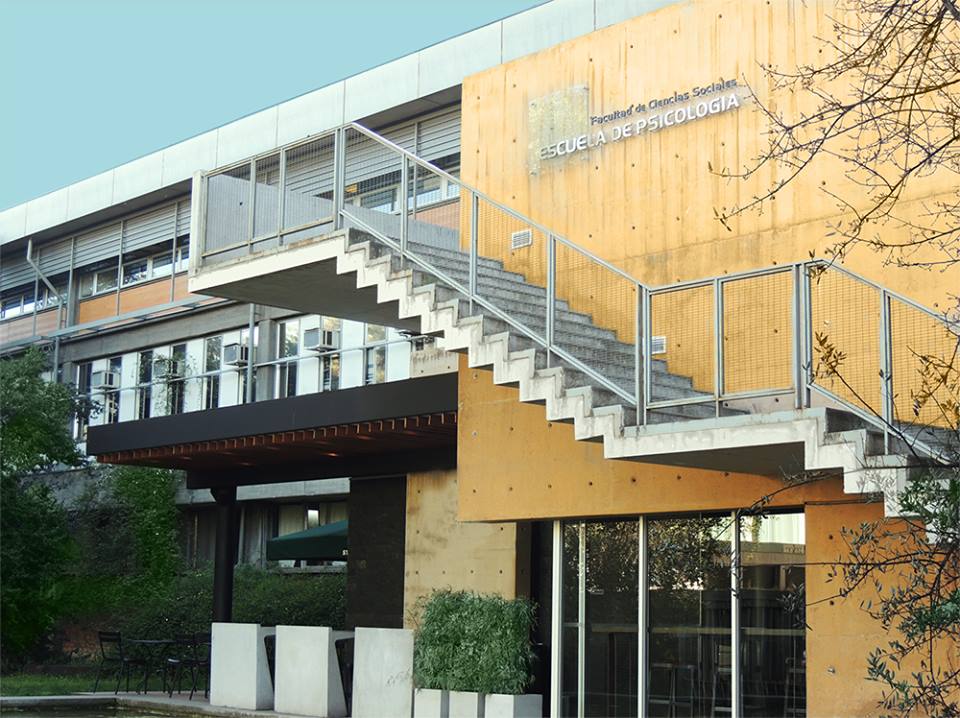
School of Psychology, Faculty of Social Science